
Ketamine Therapy
Physician-supervised ketamine infusion therapy offering rapid, evidence-based relief for treatment-resistant depression, anxiety, PTSD, and chronic pain — when conventional treatments haven’t been enough.
How Ketamine Therapy Works
Ketamine works through a fundamentally different mechanism than traditional psychiatric medications — targeting the glutamate system to promote rapid neuroplasticity and symptom relief.
Neuroplasticity Support
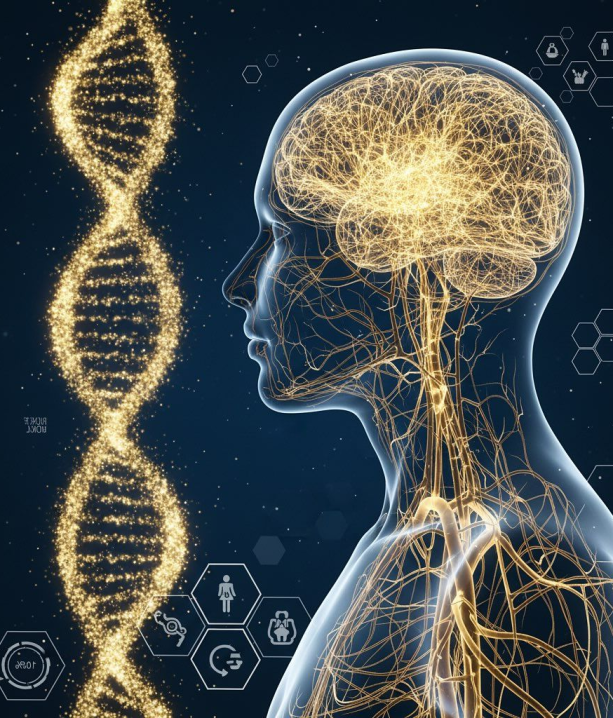
Ketamine promotes the growth of new neural connections (synaptogenesis), helping the brain form healthier thought patterns and emotional responses.
Glutamate Modulation
Unlike traditional antidepressants that target serotonin, ketamine works through the glutamate system — the brain's most abundant excitatory neurotransmitter — offering a fundamentally different mechanism of action.
Rapid Symptom Relief
Many patients report significant improvement in mood and anxiety within hours to days, compared to weeks or months with conventional medications.
What Ketamine Therapy Can Address
- Treatment-resistant
depression (TRD)
- Severe anxiety and panic disorders
- Post-traumatic stress
disorder (PTSD)
- Chronic neuropathic pain syndromes
- Suicidal ideation (acute stabilization)
- Obsessive-compulsive
disorder (OCD)
- Bipolar depression
(depressive episodes)
- Chronic pain with mood comorbidity
Who May Benefit from Ketamine Therapy
Treatment-Resistant Depression
Patients who haven’t responded adequately to two or more antidepressant medications may be candidates for ketamine therapy as an evidence-supported alternative.
Severe Anxiety & PTSD
Ketamine’s rapid action on neural pathways can provide meaningful relief for patients with debilitating anxiety or trauma-related conditions.
Chronic Pain Patients
Ketamine’s NMDA receptor antagonism provides a unique pain-relief mechanism for neuropathic and centralized pain syndromes resistant to conventional treatment.
Those Seeking Faster Relief
Patients who cannot wait 6–8 weeks for traditional medications to take effect may benefit from ketamine’s rapid onset of action.
Your Treatment Journey
A carefully structured, medically supervised process from screening to sustained relief.
Step 1
Clinical Screening
Comprehensive psychiatric and medical evaluation to confirm candidacy and establish baseline symptoms.
Step 2
Induction Series
Six IV ketamine sessions over 2–3 weeks with careful dose titration and continuous monitoring.
Step 3
Response Assessment
Your provider evaluates treatment response, symptom improvement, and determines optimal maintenance approach.
Step 4
Ongoing Support
Maintenance sessions, progress monitoring, and coordination with your broader mental health team.
Your Treatment Journey
A carefully structured, medically supervised process from screening to sustained relief.
Step 1
Clinical Screening
Comprehensive psychiatric and medical evaluation to confirm candidacy and establish baseline symptoms.
Step 2
Induction Series
Six IV ketamine sessions over 2–3 weeks with careful dose titration and continuous monitoring.
Step 3
Response Assessment
Your provider evaluates treatment response, symptom improvement, and determines optimal maintenance approach.
Step 4
Ongoing Support
Maintenance sessions, progress monitoring, and coordination with your broader mental health team.
Ketamine FAQs
Is ketamine therapy safe?
When administered under physician supervision in a clinical setting, ketamine therapy is carefully monitored for safety.
How does ketamine differ from traditional antidepressants?
Unlike traditional medications that target serotonin, ketamine works on the glutamate system to promote rapid neuroplasticity and symptom relief within hours or days.
What conditions can ketamine therapy address?
It is highly effective for treatment-resistant depression (TRD), PTSD, severe anxiety, and chronic pain syndromes where conventional treatments haven’t been enough.
Your Health Comes First
Take the first step toward personalized wellness care in a safe, medically supervised environment.